Buying Ski-In/Ski-Out In Cascade Village And GlenLyon
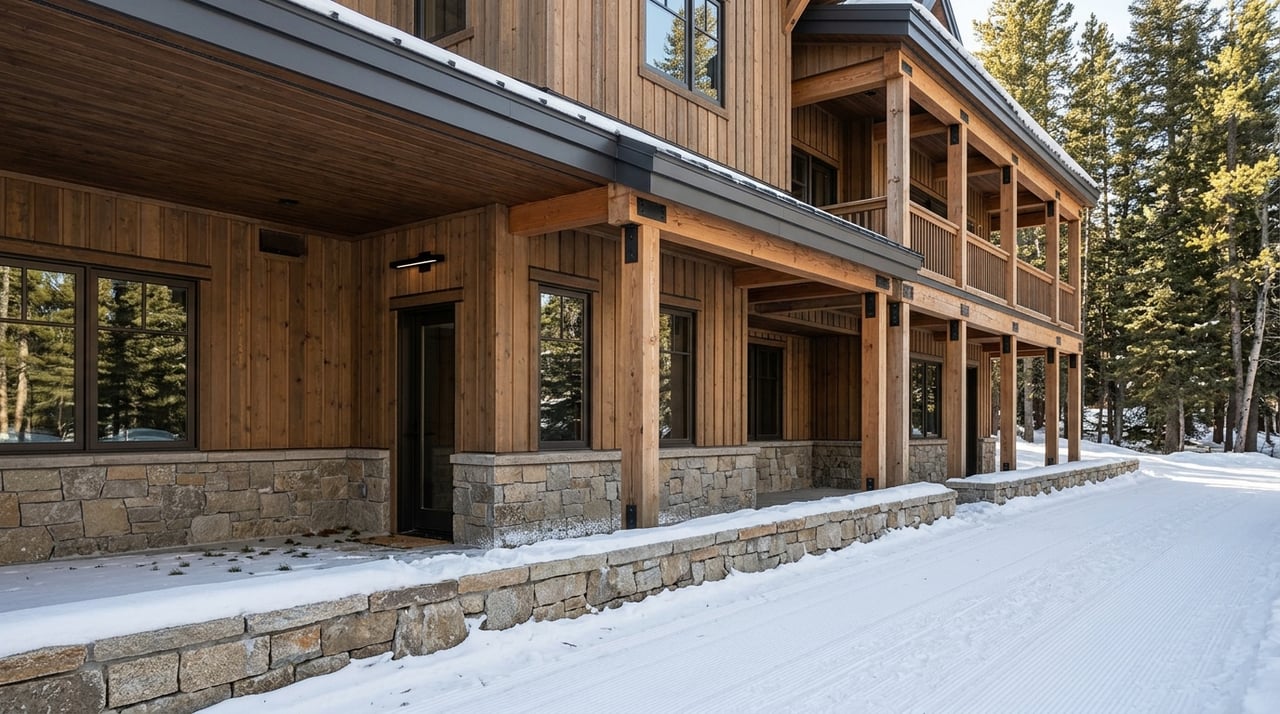
If you are shopping for ski-in/ski-out in Vail, few details matter more than whether the access is truly direct or simply nearby. That question becomes especially important in Cascade Village and Glen Lyon, where the lifestyle can be exceptional but the experience can vary from one building, parcel, or season to the next. In this guide, you will learn what makes this pocket appealing, what to verify before you buy, and how to compare properties with confidence. Let’s dive in.
Cascade Village holds a distinct place in Vail’s base-area lineup. Vail identifies it as one of the resort’s four base areas, and resort materials describe it as a quieter, quicker arrival option than the busier village cores.
That difference matters if you want a more relaxed daily rhythm. You can still enjoy direct connection to Vail Mountain, while also having a setting shaped by Gore Creek, resort services, and a more tucked-away feel.
Vail Mountain itself is part of the appeal. The resort reports 5,317 acres of skiable terrain, 32 lifts, 278 trails, and average snowfall of 354 inches, which helps explain why direct access here remains so valuable in the first place.
In Cascade Village, the core access story centers on Cascade Lift #20. Resort and hotel materials describe the area as directly connected to Vail Mountain, and the Grand Hyatt Vail notes that Chair 20 is just steps from its doors.
However, buyers should not treat the neighborhood name alone as proof of equal ski access for every property. The hotel also notes that Chair 20 operates only on select dates during the winter season, which means your practical ski-in/ski-out experience may depend on when you plan to use the home.
That is why building-level verification is so important. Before you buy, confirm the actual route to the lift, whether ski-back is realistic, and how that access performs in early season, peak winter, and late season.
A property can feel truly ski-in/ski-out during one part of winter and more like walk-to-lift during another. If your ownership pattern centers on holiday weeks, spring break, or shoulder-season visits, that distinction may affect both lifestyle value and rental appeal.
Vail’s neighborhood map identifies Matterhorn/Glen Lyon as its own neighborhood, separate from the village base areas. In practical terms, that means you should evaluate Glen Lyon parcel by parcel instead of assuming it offers the same direct ski access as the hotel-centered part of Cascade Village.
Some addresses may be very convenient, while others may rely more on walking, shuttle use, or a less direct return route. In a niche market like this, small access differences can have an outsized effect on value.
One reason buyers focus on Cascade Village is that it can offer more than proximity to the slopes. The Grand Hyatt Vail highlights ski concierge and valet service, rentals and overnight tuning through Venture Sports, a Vail Resorts ticket office, a spa, a heated infinity pool and hot tubs, dining venues, a fitness center, and concierge services.
For many second-home buyers, that amenity stack changes the ownership experience. Instead of managing every ski day yourself, you may be buying into a more serviced, resort-style routine that supports both personal use and guest stays.
The Vail Residences at Cascade Village add another layer. Hyatt describes condo and vacation-home inventory with fully equipped kitchens, in-unit laundry, parking, and access to resort amenities, which can make this pocket feel closer to a full-service resort residence than a standard condominium.
Cascade Village is not only a ski-season story. Discover Vail describes it as a creekside neighborhood with riverside paths, dining, spa access, and trailheads that become a summer base for hiking and biking.
That year-round utility matters if you want a home that works beyond peak ski months. It can also shape rental demand for owners who value broader seasonal use.
Not all ownership options here function the same way. Before you compare pricing, it helps to separate properties into three broad categories: hotel-managed condo or residence, purely residential condo, and single-family or duplex product.
Those categories can differ in owner-use rules, rental flexibility, staffing, parking, storage, and what is bundled into dues or hotel assessments. Two homes with similar square footage may deliver very different ownership experiences.
These properties often appeal to buyers who want convenience and a service-rich environment. You may gain easier access to hospitality-style amenities, but you should review whether there are management obligations, rental program rules, or additional costs tied to that structure.
A residential condo may offer a more independent ownership model. That can be attractive if you want flexibility and a quieter residential feel, but you still need to review building services, parking, ski storage, and HOA health carefully.
These properties can provide more privacy and space, but they may not replicate the convenience of a hotel-adjacent residence. In this area, buyers should weigh privacy against lift access, staffing, and day-to-day ease.
In a resort market, a good floor plan is not just about square footage. It is about whether the home works smoothly for your own stays, your guests, and any rental use you may be considering.
Useful questions include whether the layout supports easy turnover, whether there is a lock-off or flexible bedroom setup, and whether the unit has enough ski storage, laundry capacity, and sleeping arrangements for your goals. Hyatt’s descriptions of connecting suites, larger residences, and condo rentals show how much unit mix can matter in this micro-market.
A beautiful residence can still underperform if the layout feels awkward for mountain living. Storage, entry flow, sleeping flexibility, and laundry often have an outsized impact on comfort and resale.
In Cascade Village, governance can involve more than one layer. Alongside the unit-level HOA, buyers should be aware of the Cascade Village Metropolitan District, which posts district documents, financial information, and transparency materials.
That means your due diligence should go beyond monthly dues alone. Review HOA dues, reserves, assessments, rental-program obligations where applicable, and the district’s public materials before you close.
If you are considering updates, timing matters. Vail’s building department states that permits are required for alterations, and exterior work must first receive Design Review Board approval before permit submission.
Even a relatively straightforward exterior change may involve more time and cost than you expect. If renovation is part of your purchase strategy, confirm feasibility before closing rather than after.
If rental income is part of your ownership plan, do not assume the property can be rented short-term without review. The Town of Vail requires a license for any residential dwelling rented for fewer than 30 consecutive days.
The town also states that there are no current location-based rules limiting where a short-term rental can be located, but HOA rules and private covenants can still restrict rentals. That makes property-specific document review essential.
There are also operational requirements. The town requires a local representative within one hour, 24/7 availability, insurance with at least $1 million in liability coverage, and a registration number on advertising.
For bookings handled outside marketplace facilitators, the town’s FAQ says the host must collect and remit sales tax. It lists a combined 10.8% in local, state, regional, and district taxes, which is an important line item when you model ownership costs and rental income.
This is a high-price, selective segment of the market. Through April 2026, Eagle County townhouse and condo sales showed a year-to-date median price of $1,262,500 and 109 days on market, with 291 active listings in that segment.
Broader Vail benchmarks also point to premium pricing. Zillow’s Vail page reported an average Vail home value of $1,723,220 with 105 active listings as of April 30, 2026.
These are not direct Cascade Village or Glen Lyon comparables, but they help frame the environment. In a market like this, buyers tend to place a premium on features that are difficult to replicate.
The most important resale drivers here are often the hardest to replace. These include true lift adjacency, reliable ski-back convenience during the season you care about most, strong amenity support, good parking and storage, and a floor plan that works for both personal use and rental demand.
That is why careful property-level review matters so much in Cascade Village and Glen Lyon. In this niche, subtle differences can create meaningful pricing and resale gaps.
If you are considering ski-in/ski-out ownership in this part of Vail, the goal is not simply to find a property near the mountain. It is to identify the residence that matches your priorities across access, service level, building structure, carrying costs, and long-term flexibility.
The right purchase can deliver a rare mix of convenience, privacy, and four-season lifestyle value. The wrong assumption, especially around ski access or rental use, can be expensive.
A careful, local review can help you separate true premium opportunities from properties that only appear similar on paper. If you are weighing Cascade Village or Glen Lyon, Ron Byrne & Associates can help you evaluate the details that matter most and schedule a private consultation.
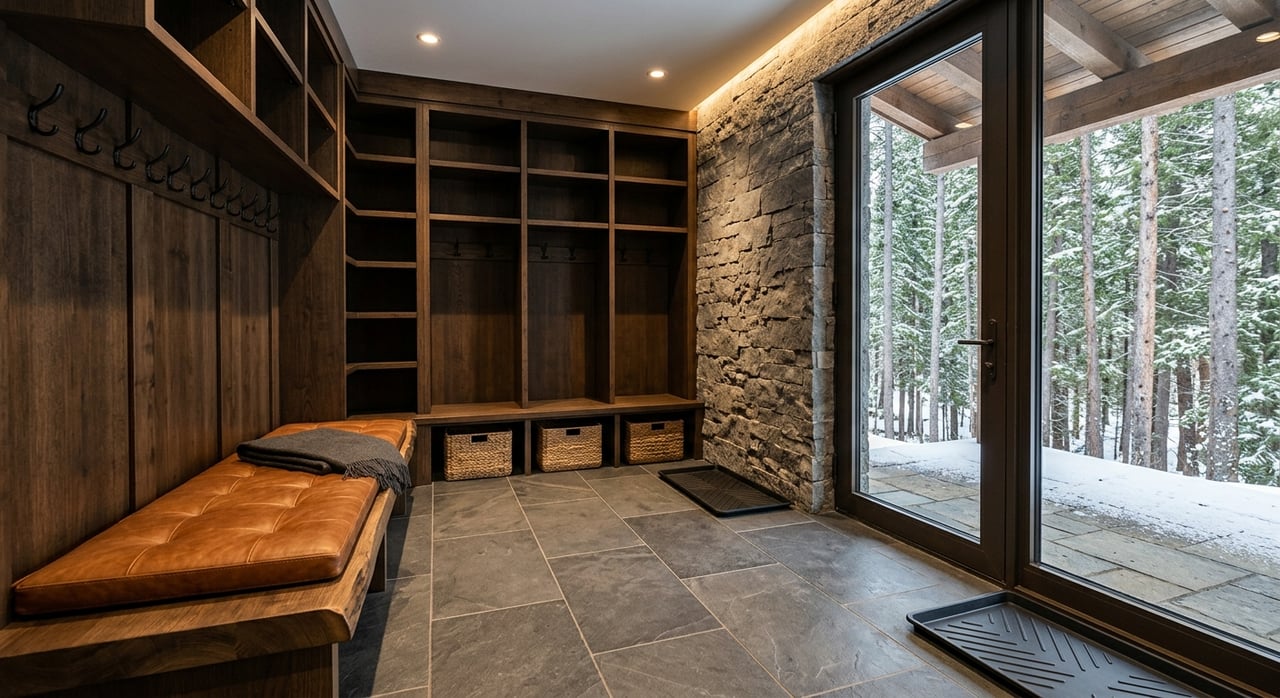
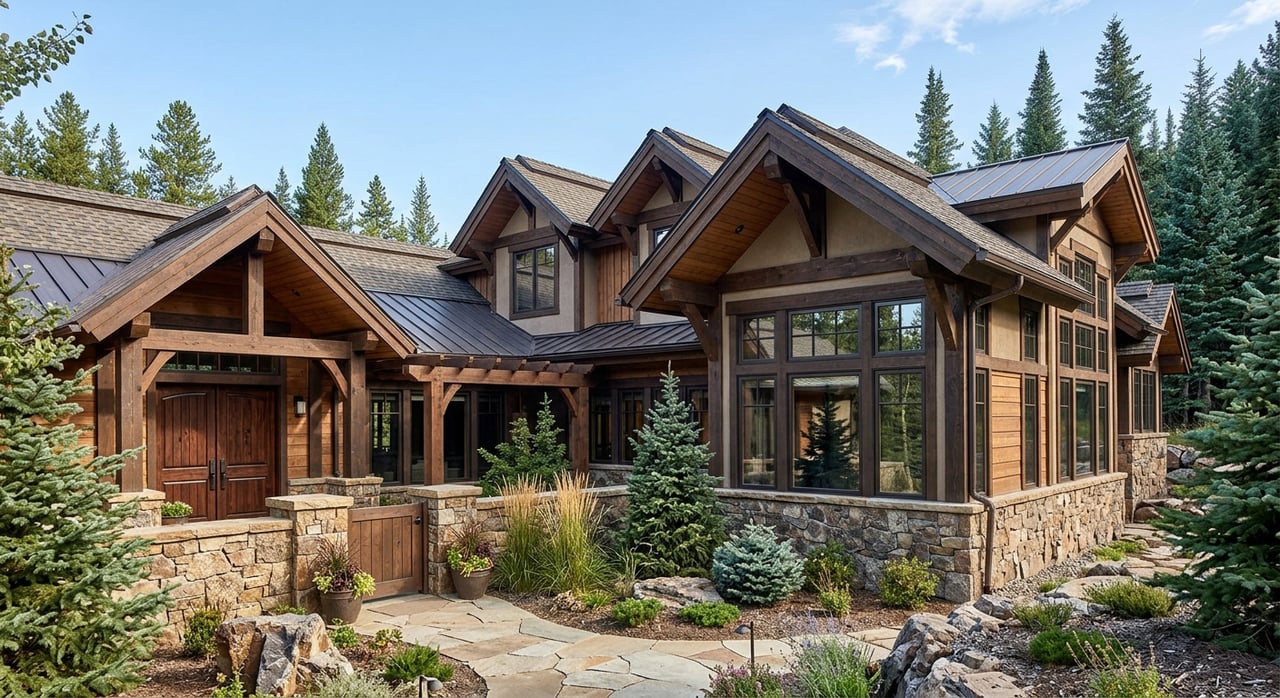
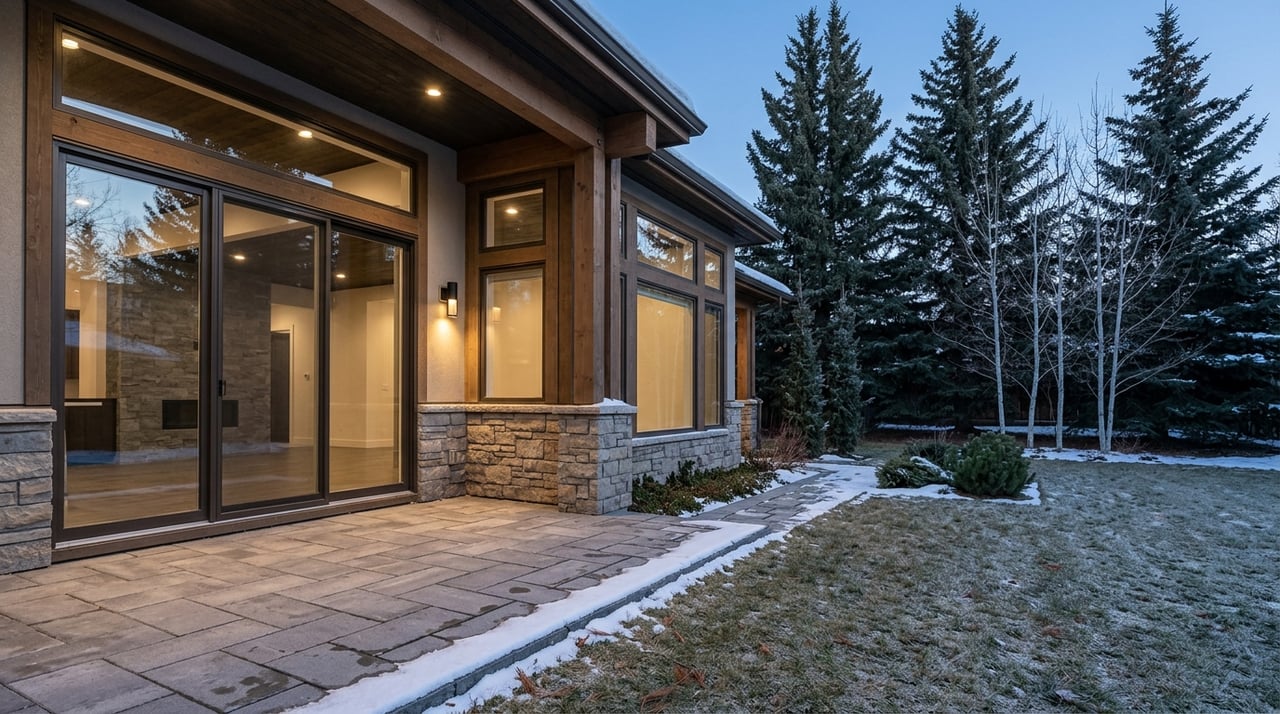
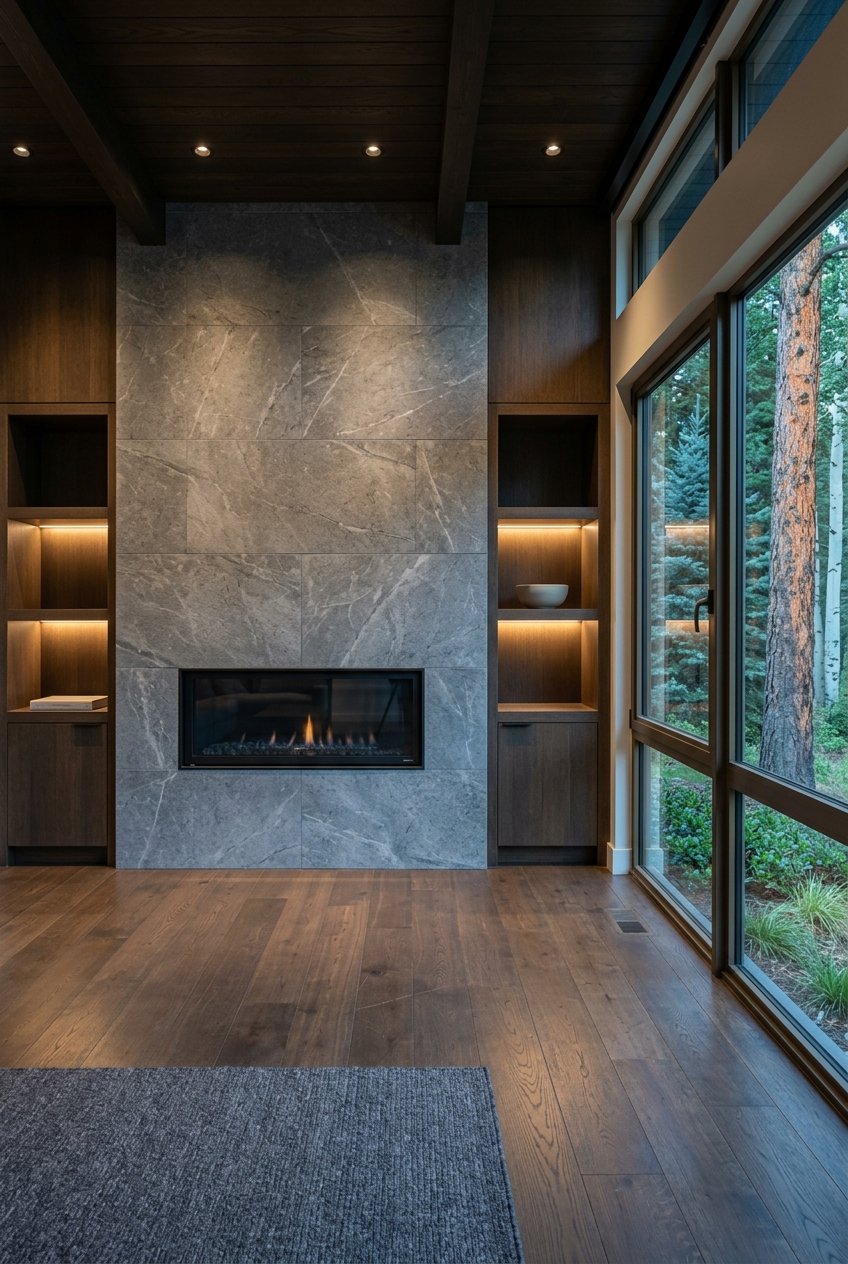

Embrace the changing seasons with confidence, knowing your home is well-maintained and ready for whatever nature brings.
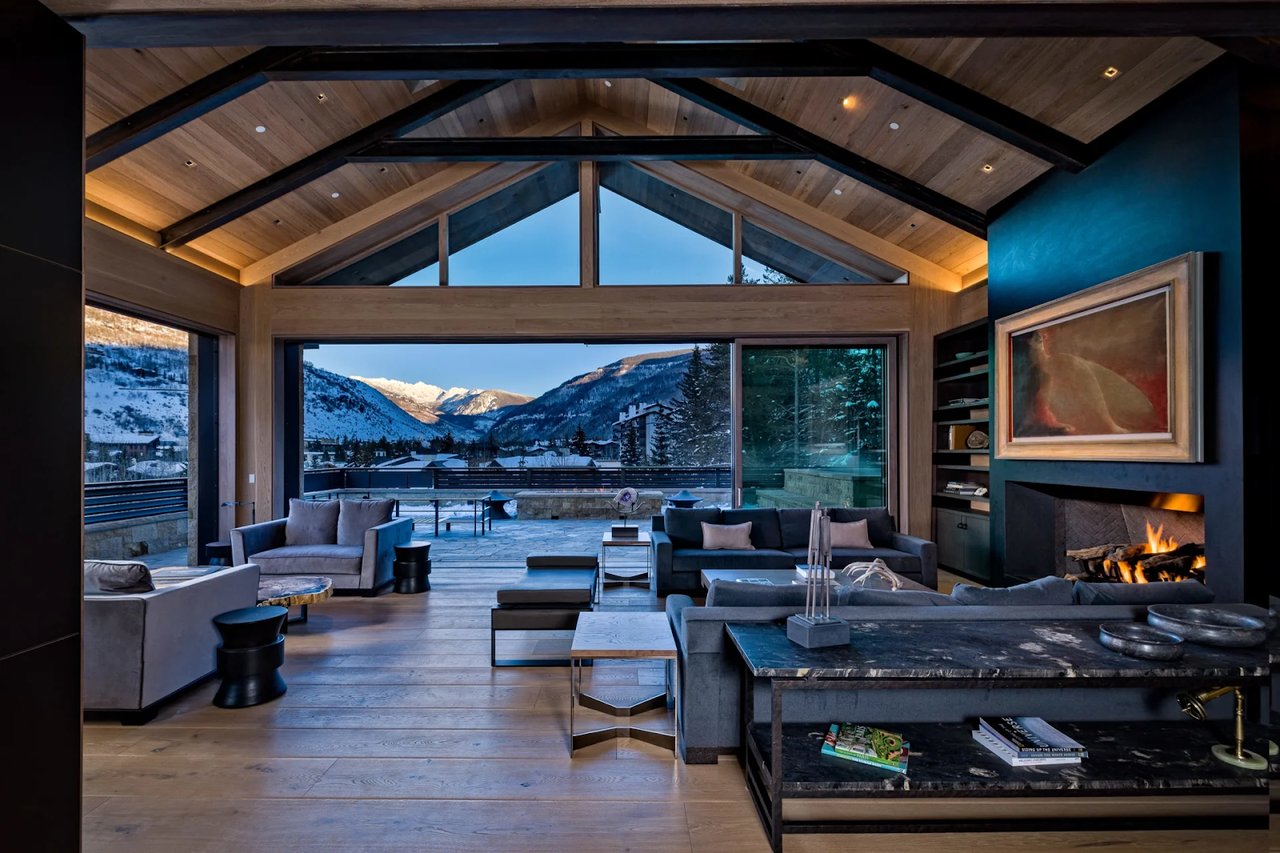
Your guide to embracing mountain living.

Discover the Beauty and Serenity of Vail’s Outdoor Spaces.
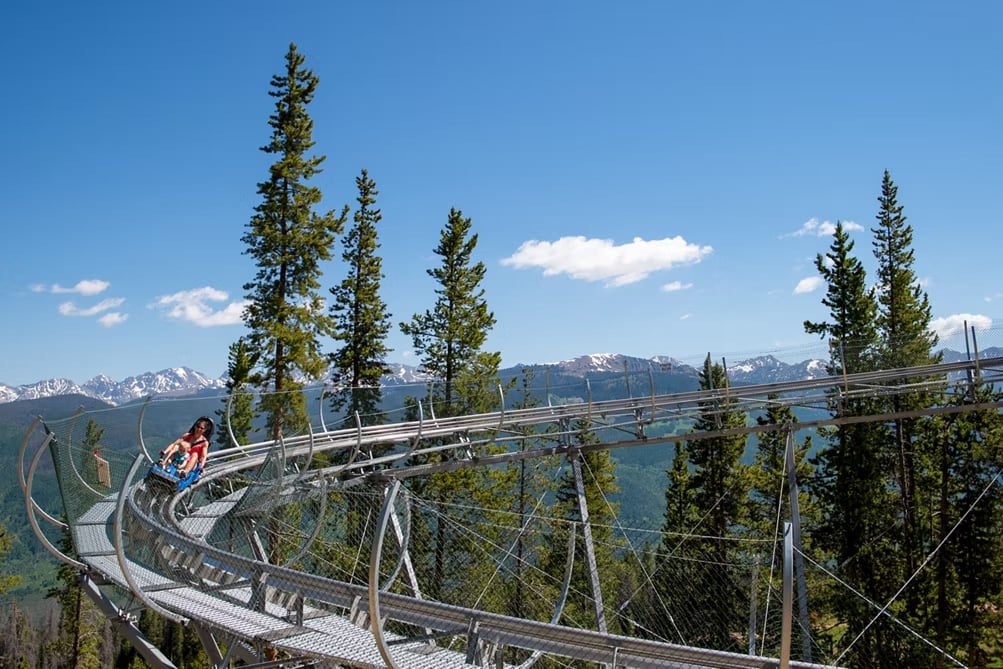
Experience the Best of Vail with These Must-See Attractions for Every Season
Ron Byrne & Associates offers unparalleled service and integrity ensuring a seamless home buying experience.